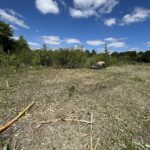
When carrying out tree work or site clearance, we’re often left with a large volume of brash, logs, and woody material. Wherever possible, we recommend leaving habitat piles on site. Not only is it the right thing to do from an environmental point of view, but it also has clear benefits for the landowner.
What Are Habitat Piles?
Habitat piles, sometimes called wildlife piles, are simply collections of natural material such as branches, trunks, and offcuts left in a deliberate spot on the land. Instead of chipping, burning, or hauling it away, we stack it safely in a way that allows it to break down over time and support local biodiversity.
Benefits for Wildlife
Deadwood is one of the most valuable natural resources for wildlife. It provides shelter, food, and nesting material for a wide range of species, from beetles and fungi to small mammals and nesting birds. In woodland and edge habitats especially, these piles mimic natural processes that would occur if a tree fell or died in place.
Habitat piles help:
- Boost populations of beneficial insects and pollinators
- Offer safe refuge for amphibians, reptiles, and hedgehogs
- Support fungi and microorganisms that enrich the soil
- Provide natural hunting grounds for birds and owls
If you’re trying to manage land with conservation in mind, leaving habitat piles is a simple but highly effective tool.
Cost and Sustainability Benefits
There’s also a practical side to it. By leaving material on site in designated, safe areas away from access routes, you can significantly reduce the costs associated with transporting and disposing of green waste. Less time spent loading, less fuel used, fewer journeys to waste sites.
It also fits well with our commitment to sustainable working. Every job where we can leave material responsibly on site helps reduce our carbon footprint, keeps operations efficient, and supports the natural cycle of the land.
When It’s a Good Fit
We’ll always assess what’s appropriate on a case-by-case basis. Habitat piles work best in rural or semi-rural settings, especially around:
- Woodland margins and field edges
- Hedgerows and rides
- Conservation areas and wildlife corridors
On residential sites or in small gardens, wood chipping or full removal may still be the best option, but even then, we’ll discuss the pros and cons with the client.
If you’re planning a woodland management project, scrub clearance, or tree removal, speak to us about incorporating habitat piles into the plan. It’s a small decision that can make a big difference — for wildlife, for sustainability, and for your budget.